Reflective No-Pull Dog Harness & Leash Set, Adjustable Fit
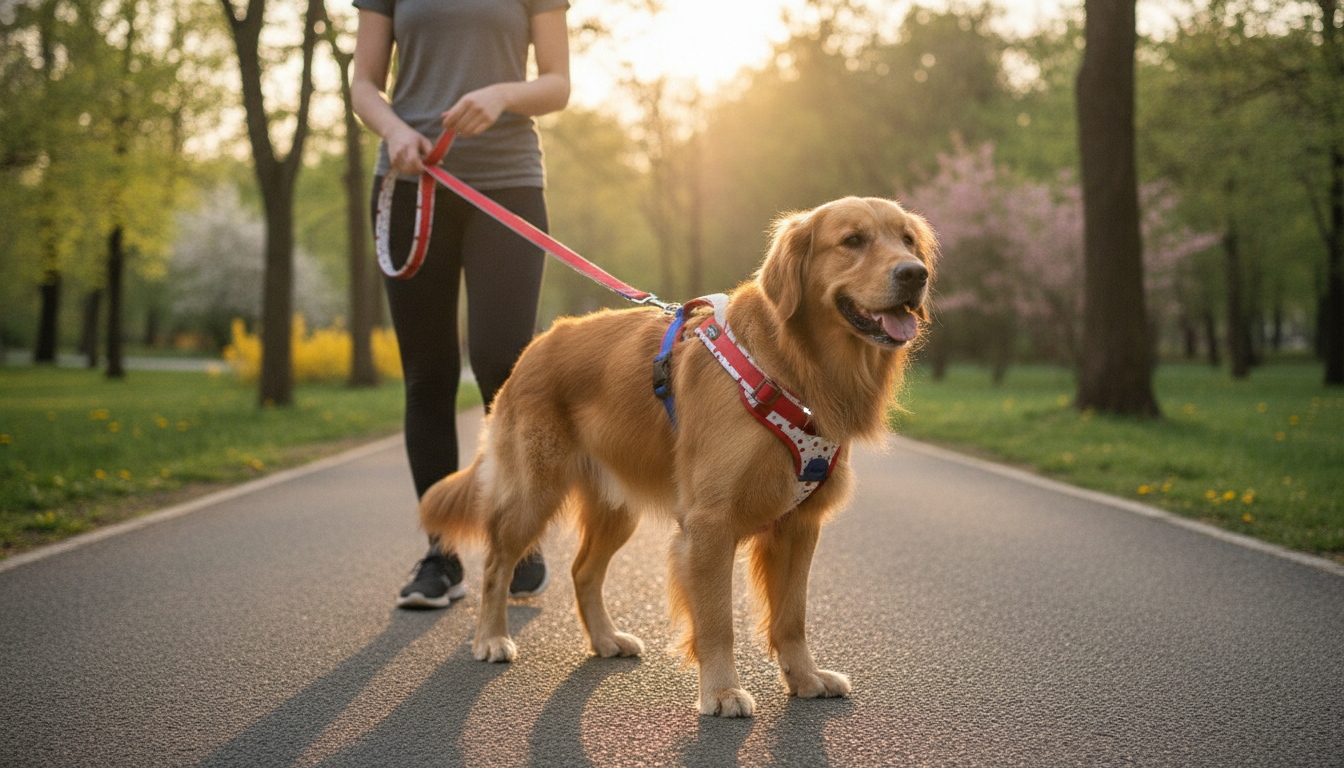
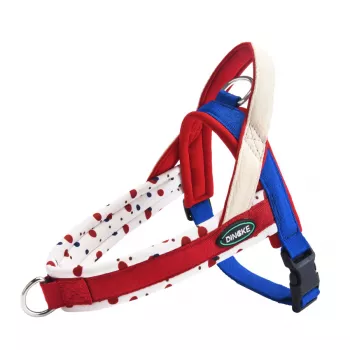
Adjustable No-Pull Dog Harness & Leash Set with Reflective Safety Design
A well-fitted harness can make daily walks calmer, safer, and more comfortable—especially for dogs that lunge, pull, or get excited around distractions. This adjustable harness and matching leash set is designed to help improve control without putting pressure on the neck, while reflective details add visibility for early-morning and evening outings. For more guidance, see Best Affordable No-Pull Dog Harness – Whole Dog Journal.
What This Harness & Leash Set Is Designed to Do
When pulling becomes the “default,” walks can feel like a tug-of-war. A no-pull style harness changes where pressure is applied and how force is directed, which can make it easier to guide your dog without relying on the throat area for control. For further reading, see Reflective No Pull Dog Leash with Anti Choke Ring.
- Reduce pulling by redirecting force through the body rather than the throat
- Improve handling during training moments (crossing streets, passing other dogs, greeting people)
- Support safer low-light walks with reflective accents that catch headlights and street lighting
- Provide an everyday setup: harness plus matching leash for consistent handling
Key Design Features That Matter on Real Walks
Comfort and control come down to the small details: strap placement, adjustability, and hardware that stays put as your dog moves. This set focuses on practical, day-to-day walking needs rather than bulky add-ons.
- Adjustable straps help fine-tune fit as a dog’s coat changes seasonally or as weight fluctuates
- No-pull configuration aims to discourage forward surging by changing the angle of pressure when a dog pulls
- Reflective elements increase the dog’s visibility to drivers and cyclists in dim conditions
- Harness-style support can be more comfortable than collar-only setups for dogs that pull or cough with neck pressure
- Leash included to keep the walking setup consistent and ready to go
Quick Feature Overview
| Feature | Why it helps | Best use case |
|---|---|---|
| Adjustable fit points | Helps reduce slipping, twisting, and chafing | Dogs between sizes; growing dogs |
| No-pull handling | Discourages lunging by redirecting pulling force | Training walks; busy sidewalks |
| Reflective safety details | Improves visibility in low light | Dawn/dusk walks; winter evenings |
| Harness + leash set | Consistent control and fewer mismatched clips/widths | Daily use; travel |
Getting the Fit Right (Comfort, Control, and Escape Prevention)
A no-pull harness works best when it stays centered and stable. A loose or uneven fit can twist, rub behind the front legs, or (for crafty dogs) provide an opportunity to back out.
- Measure girth and neck area before ordering; if between sizes, prioritize chest/girth fit and adjust down
- Aim for a secure fit: snug but not tight—two fingers should slide under straps without forcing
- Check for rub points behind the front legs and along the sternum after the first few walks
- Prevent backing out: ensure the harness doesn’t rotate easily and that straps sit flat (no twisting)
- Re-check adjustments after a few minutes of walking; some dogs “settle” into the harness as they move
How to Use a No-Pull Setup Without Causing Frustration
No-pull gear is a tool, not a shortcut. The smoothest progress happens when the harness is paired with clear, reward-based communication so your dog learns what earns forward motion.
- Pair the harness with reward-based loose-leash practice: reward when the leash is slack, pause when it goes tight
- Avoid constant tension—no-pull designs work best with clear on/off pressure rather than steady pulling
- Keep sessions short at first (5–10 minutes) and increase duration as the dog’s behavior improves
- Use calm direction changes (U-turns) when distractions spike instead of yanking the leash
- If pulling is intense, start in low-distraction areas before moving to busier routes
For step-by-step leash-walking fundamentals, the American Kennel Club’s loose leash walking guidance is a helpful baseline. General reward-based training principles from the ASPCA can also make harness training feel more predictable for your dog.
Reflective Visibility: What It Helps With (and What It Doesn’t)
Reflective trim is excellent at “popping” when light hits it—think headlights, bike lights, or a flashlight beam. It’s most effective as a visibility boost, not a complete night-safety system.
- Reflective details are most effective when light hits them directly (car headlights, bike lights, flashlights)
- Visibility still depends on environment: dark roads without street lighting may require an added light on the leash or collar
- Choose brighter walking routes and keep the dog on the sidewalk edge away from traffic where possible
- For off-leash yards or parks, reflective material is not a substitute for supervision or secure fencing
Care and Durability Tips
Who This Set Is a Good Match For
Common Issues and Quick Fixes
Shop Related Essentials
- Adjustable No-Pull Dog Harness & Leash Set with Reflective Safety Design $21.51
- Waterproof Extended Top Tube Bike Bag 1.9L $42.01 (handy for carrying poop bags, treats, and a small light on bike-friendly routes)
- Nike Swim Men’s Red Swim Shorts – Lightweight Summer Swimwear $27.76 (for hot-weather outings and water breaks after long walks)
FAQ
Can a no-pull harness stop pulling completely?
It can reduce pulling by changing leverage and improving control, but it’s rarely a complete fix on its own. The best results come from consistent training and rewarding loose-leash behavior.
How tight should a dog harness be?
Use the two-finger rule: straps should be snug enough to prevent shifting, but loose enough to slide two fingers underneath. It shouldn’t rub or restrict shoulder movement, and it’s smart to re-check fit after a short walk.
Are reflective details enough for night walks?
Reflective material helps most when it’s illuminated by headlights or a flashlight. For darker routes, pairing reflective gear with a clip-on light and choosing well-lit paths improves safety.







Leave a comment