Super Light Mouse Weight: Under 60g Explained

What is considered a super light mouse?
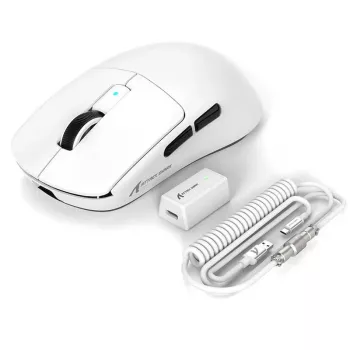
A “super light” mouse is generally considered one that weighs under about 60 grams. In the gaming world, the term often points to ultralight models in the 40–60g range, designed to feel effortless during fast flicks, long tracking motions, and quick micro-adjustments. Some mice dip even lower (around 35–45g), but that territory tends to involve more specialized designs and tradeoffs in shell structure or features.
How light is “light” compared to a regular mouse?
Many traditional wired or wireless mice land roughly in the 80–110g range, and some productivity models go heavier. Dropping into the sub-60g zone can noticeably reduce hand fatigue for players who use low sensitivity and move the mouse a lot, or anyone who plays for long sessions. The difference isn’t just a number; it changes how quickly the mouse starts and stops, which can make aiming feel more responsive.
What makes a mouse qualify as super light?
Manufacturers cut weight by using thinner shells, streamlined internal frames, lighter switches, and smaller batteries in wireless designs. Some use honeycomb-style shells or internal cutouts; others keep a solid shell but optimize the structure and materials. A true “super light” mouse usually pairs low weight with a sensor and wireless tech (if applicable) that doesn’t introduce noticeable lag or jitter.
Is lighter always better?
Not automatically. Super light mice can feel less stable for players who prefer a more “planted” glide, use very high sensitivity, or rely on heavier mice to smooth out shaky aim. Grip style matters too: fingertip and claw users often love ultralight weights, while some palm grip users prefer a bit more mass for control. Comfort, shape, and balance still matter as much as grams.
For a deeper breakdown of weight ranges and what to look for when shopping, visit the full guide here: https://bestelle.shop/what-is-considered-a-super-light-mouse/.
FAQ
Does a super light mouse improve FPS aim?
It can help by reducing fatigue and making quick directional changes easier, especially at lower sensitivities. However, improvement depends on the mouse’s shape, your grip, and whether the lighter feel gives you better stopping control.



Leave a comment