100-Piece Quick-Release Oscillating Blades: Wood/Metal
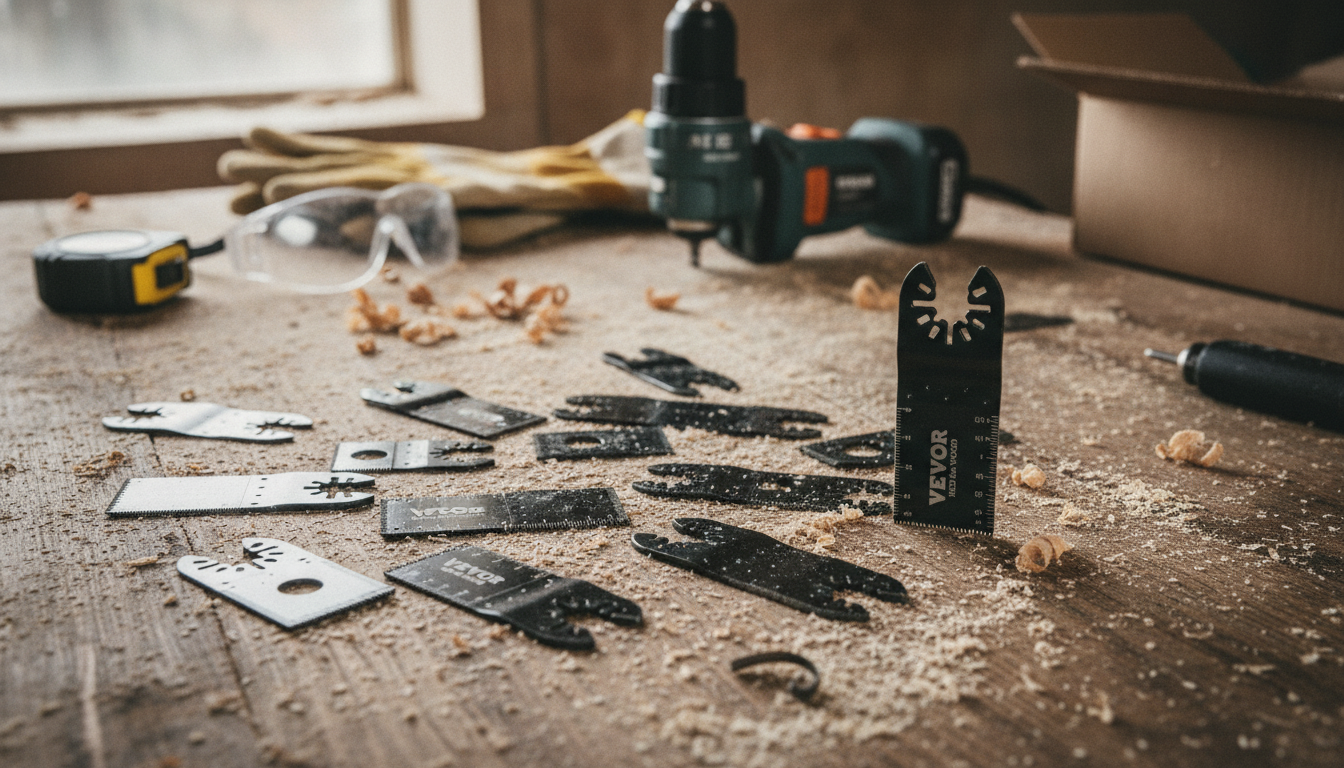
A large multitool blade assortment can speed up repairs and remodels when the right blade is always within reach. This 100-piece quick-release set is designed to cover common cuts in wood, plastic, and metal, plus the detail work and flush cuts that oscillating tools are known for. For more guidance, see Kyoffiie 200Pcs Oscillating Multi Tool Blades Kit – 1-3/8″ Quick ….
What’s Included and What Each Blade Is For
A well-rounded oscillating blade kit earns its keep by handling the “small but urgent” cuts that show up on punch lists and weekend projects. With a mixed assortment, it’s easier to move from a plunge cut to a flush trim without stopping to hunt for the one blade that fits the moment.
- Mixed blade styles for typical oscillating-tool jobs: plunge cuts, flush cuts, trimming, and removal work
- Coverage for multiple materials—wood and plastic for fast rough cuts, plus blades intended for metal contact during repairs
- Quick-release style intended to reduce downtime when switching between tasks
- Useful for jobsite punch lists, DIY renovations, flooring touch-ups, door jamb undercuts, and small metal trimming
If you want one kit ready for many scenarios, see the 100-Piece Oscillating Saw Blade Set – Quick-Release Multitool Blades for Wood, Plastic & Metal.
Quick-Release Fit and Tool Compatibility Checks
Quick-release systems are convenient, but fit matters. Before starting a cut, confirm your tool and blade interface match so the blade locks in solidly and stays cool under load.
- Confirm the mount type on the multitool (quick-release vs. bolt-on) before relying on tool-free swaps
- Check for secure engagement: the blade should seat fully with no rocking or play before powering on
- If an adapter is required for a specific tool, verify it supports the blade’s interface and doesn’t reduce clearance for flush cuts
- After the first few cuts, re-check tightness/locking to avoid heat buildup and premature wear
Choosing the Right Blade for Wood, Plastic, and Metal
Oscillating tools reward the right blade choice more than brute force. Match tooth style and cutting approach to the material to get cleaner edges and longer blade life.
- Wood: prioritize aggressive tooth patterns for speed; choose finer teeth for cleaner edges on trim and veneer
- Plastic: use moderate tooth counts and lighter pressure to reduce melting and edge chatter
- Metal: select blades intended for metal contact; use slower speeds and consistent, light feed pressure to avoid overheating
- Unknown materials: for painted trim or hidden fasteners, start with a blade suited for mixed contact and expect faster dulling
Blade choice guide by material and task
| Task | Material | Blade characteristics to look for | Tips to reduce wear |
|---|---|---|---|
| Plunge cut for an outlet box opening | Drywall/wood backing | Plunge-cut profile, moderate tooth count | Mark depth, keep the shoe stable, let the tool do the work |
| Flush-cut door jamb for flooring | Wood | Wide flush-cut blade, stiff body | Use a spacer (flooring scrap) to set height; avoid twisting the blade |
| Trim plastic pipe or PVC | Plastic | Medium teeth, sharp edge | Lower speed; clear chips to prevent heat |
| Cut a nail/screw in trim | Metal/wood mixed | Metal-capable blade | Slow speed, light pressure; expect quicker dulling on hardened fasteners |
| Remove old caulk/adhesive edges | Soft material | Scraper-style edge (if included) | Keep angle shallow; clean residue frequently |
Common Projects This Set Can Handle
With multiple blade types and duplicates on hand, it’s easier to keep momentum on projects where cuts change quickly from one room to the next.
- Baseboards and casing: undercutting, notching, and flush trimming in tight corners
- Flooring: doorway undercuts, quick relief cuts for transitions, small fitment adjustments
- Kitchen and bath: trimming shims, cutting access openings, removing grout/adhesive lines (when using the correct accessory)
- Light metal work: cutting protruding screws, trimming brackets, or clearing small obstructions
- Repairs: removing damaged sections of wood, cutting out rot pockets, and making precise plunge cuts for patches
How to Get Cleaner Cuts and Longer Blade Life
Blades usually fail from heat, side-loading, or forcing the cut. A few technique tweaks can noticeably improve finish quality and reduce how often you reach for a fresh blade.
Safety and Setup Essentials
- Wear eye protection and hearing protection; oscillating tools can throw chips and run at high noise levels (see OSHA guidance on eye and face protection and NIOSH hearing protection resources)
- Use a dust mask/respirator when cutting treated wood, drywall, or materials with unknown coatings
- Clamp the workpiece where possible to prevent vibration and blade chatter
- Inspect blades before use: discard blades with cracks, missing teeth, or warped bodies
- Unplug/remove the battery before changing blades, even with quick-release mechanisms
When a 100-Piece Assortment Makes Sense
Product at a Glance
For a ready-to-go assortment that supports everyday cuts and quick swaps, the 100-Piece Oscillating Saw Blade Set – Quick-Release Multitool Blades for Wood, Plastic & Metal is built around mixed-material jobs and the realities of repair work.
| Detail | Value |
|---|---|
| Set size | 100 pieces |
| Release style | Quick-release compatible design |
| Materials | Wood, plastic, metal (application-dependent) |
| Availability | In stock |
More In-Stock Finds
FAQ
Will these blades fit any oscillating multitool?
Fit depends on your tool’s mount system. Check whether your multitool uses a quick-release interface or requires an adapter, and confirm the blade seats fully with no play before cutting.
Can the same blade be used on wood and metal?
Mixed contact happens in real-world repairs, but metal-capable blades typically last longer when they hit nails or screws. Swapping to the right blade also improves cut quality and reduces overheating.
How do blades last longer when cutting plastic or metal?
Use slower speeds, lighter pressure, and back out occasionally to clear chips and control heat. Overheating and side-loading are two of the most common reasons blades dull early.






Leave a comment